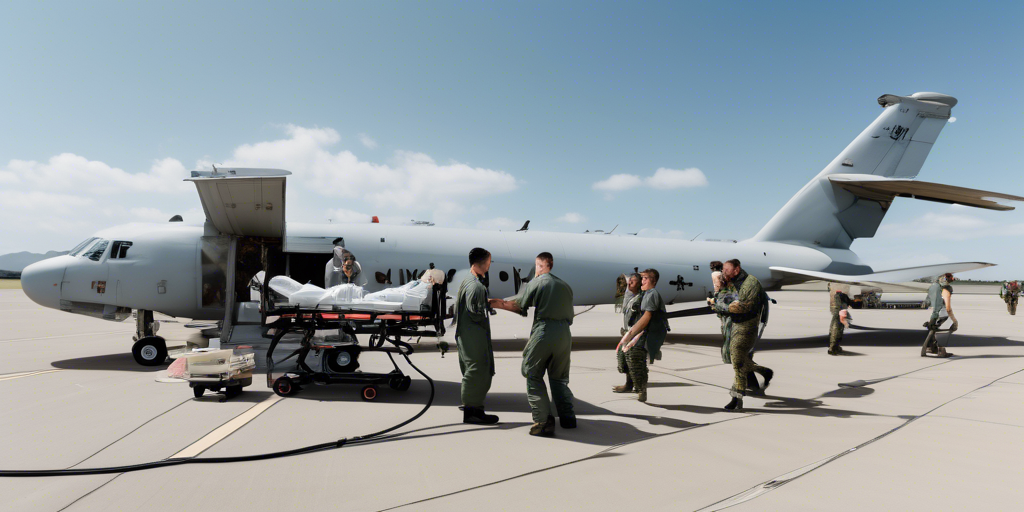
The Taes exercise is making headlines in 2025, drawing attention to advanced Air Force medical support. As Taes takes place in multiple US and Indo-Pacific locations, Air Force officials highlight Taes as a critical tool for improving patient care and operational readiness. This week, the spotlight is on how these exercises boost efficiency and preparedness.
🎯 What Is the Taes Exercise?
Taes, or Tactical Aeromedical Evacuation System, is a comprehensive training event for Air Force medical teams. The exercise simulates real-life medical emergencies in diverse environments. Participants must quickly assess, stabilize, and evacuate patients, ensuring they receive proper care from field to hospital.
These drills are vital for military personnel who could be deployed anywhere around the globe. Teams face multiple scenarios, mimicking injuries and illnesses that might occur in combat or disaster zones. This hands-on approach ensures that all members are ready for actual missions.
🚀 Department-Level Collaboration and Innovation
The 2025 Taes exercise is notable for its scale and integration. Operations are spread across several US states and Pacific regions, pushing teams to coordinate over long distances. This department-level cooperation mirrors real deployments, where seamless teamwork is crucial for mission success.
Participants use the latest medical technologies, from advanced monitoring equipment to digital communication platforms. These innovations streamline patient tracking and enable medics to share critical data in real-time. The Air Force aims to set new standards for aeromedical evacuation and care.
📊 Results: Improved Readiness and Recruitment
Initial results from the 2025 Taes exercise show marked improvements in medical response times and patient outcomes. Teams demonstrated faster stabilization and efficient evacuation under pressure. The exercise also attracted attention from new recruits interested in aeromedical careers.
Recruiting numbers for the Air Force’s medical fields have exceeded annual goals in early 2025. Leaders credit realistic exercises like Taes for inspiring confidence and enthusiasm among prospective candidates. The program’s visibility helps position the Air Force as a leader in emergency medical response.
💡 Strategic Importance for the Future
Air Force officials emphasize that Taes is more than just a drill. It’s a strategic investment in national and global readiness. The ability to evacuate and care for wounded personnel swiftly is crucial for both combat operations and humanitarian missions.
With evolving threats and unpredictable crises, continuous training remains essential. The lessons learned from Taes exercises are integrated into daily protocols, shaping future policies. This forward-thinking approach ensures the Air Force remains at the forefront of aeromedical support.
The Taes exercise is setting new benchmarks for military medical teams in 2025. Interested in how these innovations could shape future missions? Share this story with friends who follow military advancements. Compartilhe