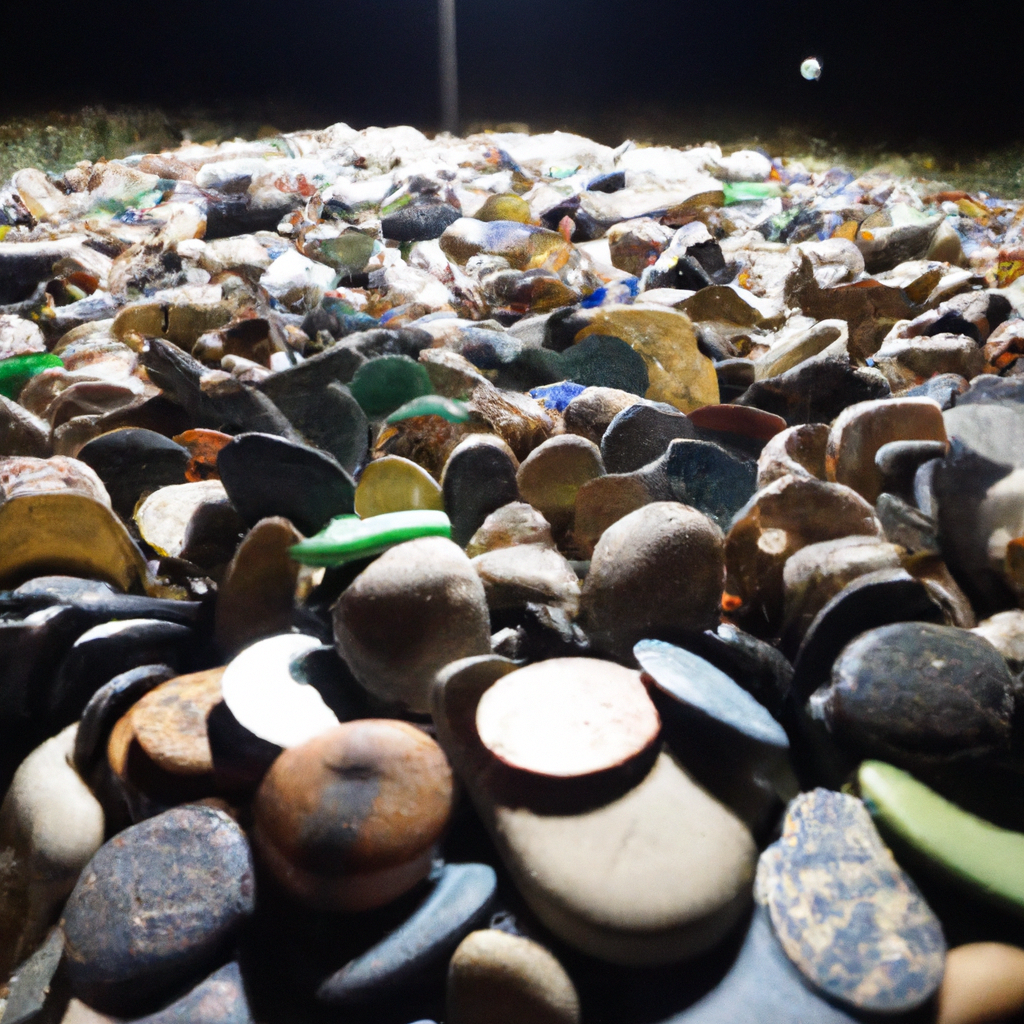
In a recent exploration titled “I Flipped 100 Rocks at Night, Here’s What I Found,” enthusiasts ventured into the depths of nature to uncover hidden gems and creatures. This project aimed to reveal what lies beneath the surface after dark. The findings promise to intrigue nature lovers and scientists alike, showcasing the diversity of life that often goes unnoticed.
The night was filled with anticipation as the participants flipped rocks across various terrains. From damp forests to rocky riverbeds, each location provided a unique glimpse into the nocturnal ecosystem.
🎯 What They Discovered
The discoveries were astonishing. Among the flipped rocks, participants found a variety of insects, amphibians, and even small mammals. This unexpected biodiversity highlights the importance of these habitats in sustaining local ecosystems.
Some notable finds included glow-in-the-dark fungi, rare beetles, and various species of salamanders. Each creature plays a vital role in the ecosystem, making these nighttime excursions essential for understanding biodiversity.
📊 The Impact of Nighttime Exploration
Nighttime exploration offers a different perspective on wildlife. Many species are more active after dark, providing researchers with insights into their behavior and feeding habits. These findings can influence conservation efforts and highlight the need for protection of these habitats.
The data collected during these rock-flipping expeditions could prove invaluable. By documenting the species found, researchers can track population changes and assess the health of ecosystems over time.
💡 Tips for Future Explorers
For those interested in conducting similar explorations, here are some tips. Always carry a flashlight and wear appropriate clothing for the terrain. It’s essential to respect the environment by returning rocks to their original position after flipping them.
Additionally, keeping a journal of your findings can help contribute to ongoing research efforts. Sharing discoveries with the community fosters a greater appreciation for local wildlife.
⚡ The Future of Nocturnal Research
As awareness of the importance of nocturnal species grows, so does the interest in nighttime research. These activities could inspire future generations to engage in conservation and ecology.
More organizations are likely to support such initiatives, encouraging community involvement in wildlife protection. Nighttime exploration not only educates but also cultivates a sense of connection to nature.
In conclusion, the project “I Flipped 100 Rocks at Night, Here’s What I Found” showcases the hidden wonders of nighttime ecosystems. The discoveries made during this exploration highlight the need for continued research and conservation efforts.
Join the movement—share your experiences and discoveries with friends and family. Let’s inspire others to explore and protect our natural world. Click to view.